
How to Translate Chinese Manhua: Cultivation Lore & Webcomic Guide
A deep dive into translating Chinese web manhua. Learn how to localize Xianxia/Wuxia cultivation ranks, Daoist idioms, and stylized full-color scrolls.
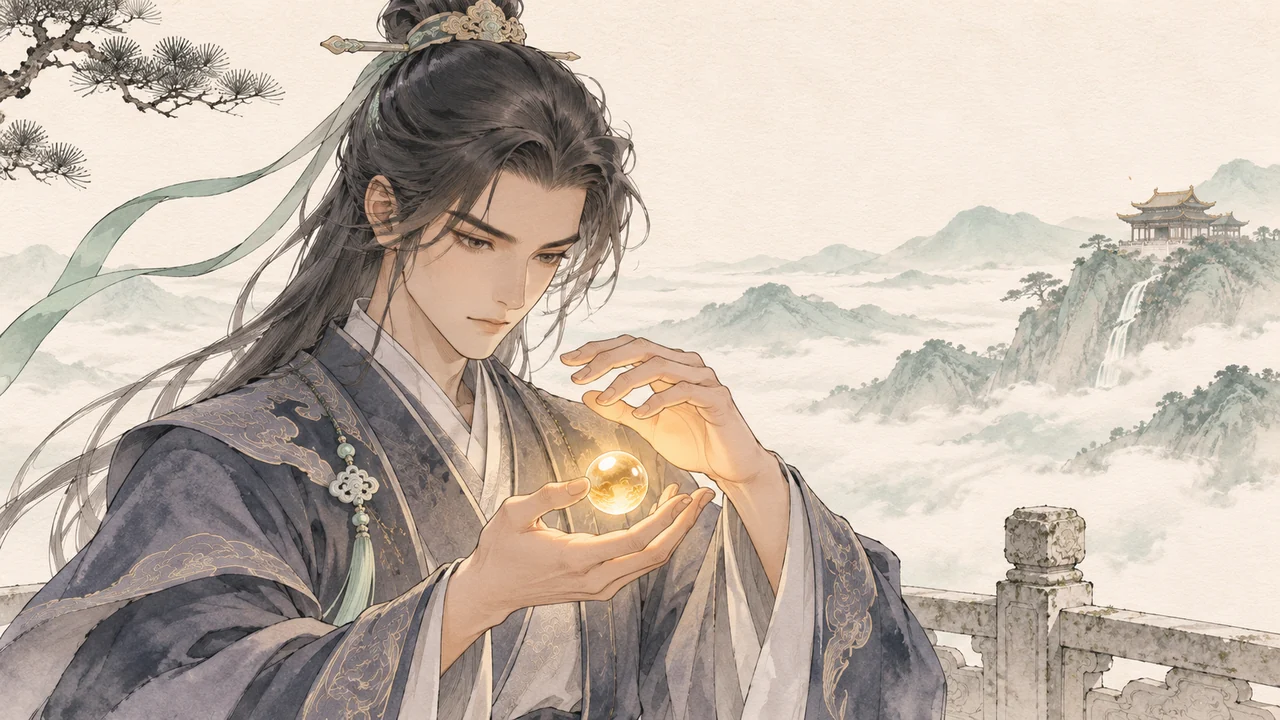
Chinese comic webtoons—commonly called Manhua (国漫 / 漫画)—have surged in international popularity. Driven by mega-genres like Xianxia (Immortal Cultivation), Wuxia (Martial Heroes), and Rebirth/System tropes, titles like Tales of Demons and Gods, Soul Land, and Battle Through the Heavens boast hundreds of chapters and epic action sequences.
However, translating Chinese manhua is notorious for being among the hardest localization challenges in comics. Here is how to conquer cultivation terminology and translate manhua seamlessly into English and other languages.
The Great Hurdle: Cultivation Terminology & Daoist Metaphors
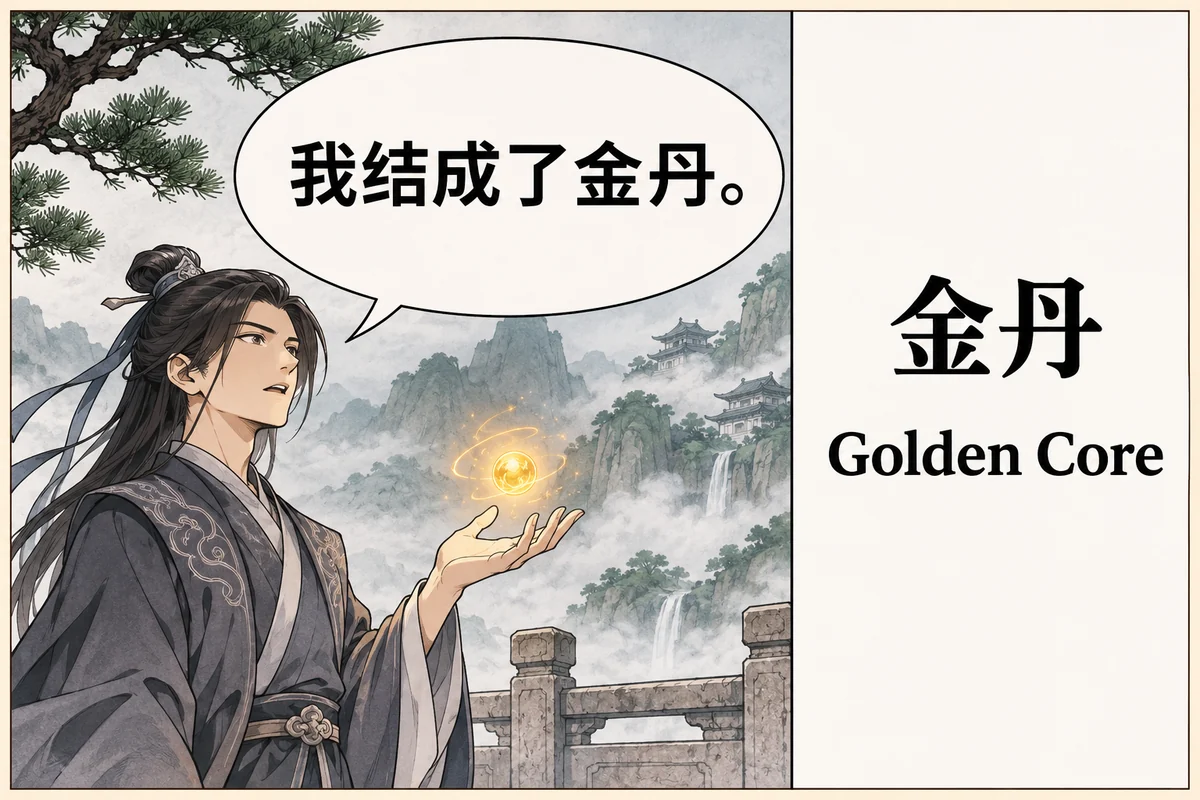
While everyday conversational manhua is straightforward, fantasy manhua is packed with ancient idioms, Buddhist/Daoist cosmology, and complex martial realm ladders. Literal machine translation renders these into baffling nonsense:
| Chinese Term | Literal Meaning (Bad) | Proper Xianxia Localization (Good) |
|---|---|---|
| 筑基 (Zhu Ji) | Building a foundation | Foundation Establishment Realm |
| 金丹 (Jin Dan) | Gold pill | Golden Core Stage |
| 元婴 (Yuan Ying) | Firstborn infant | Nascent Soul Stage |
| 渡劫 (Du Jie) | Crossing a disaster | Tribulation Transcendence |
| 走火入魔 (Zou Huo Ru Mo) | Catching fire into a demon | Qi Deviation / Spiritual Derangement |
| 神识 (Shen Shi) | Spirit knowledge | Divine Sense / Spiritual Perception |
| 本宫 / 朕 | This palace / I | This Dowager / We (The Imperial Crown) |
When an ordinary translator translates 走火入魔 as "walking fire into the devil", reader immersion is instantly ruined. High-quality manhua translation requires context-aware LLMs trained specifically on Chinese fantasy web novel lexicons.
Technical Traits of Modern Chinese Manhua
- Full-Color Vertical Strip Format: Similar to Korean webtoons, modern Chinese manhua is rendered in full 24-bit color designed for continuous smartphone scrolling.
- Simplified vs. Traditional Glyphs: Mainland releases (Tencent, Bilibili Comics, Kuaikan) use Simplified Chinese (简体字), while Taiwanese and Hong Kong editions use Traditional Chinese (繁體字). Translators must handle both without glyph confusion.
- Explosive Martial SFX: Sound effects (轰!, 啪!, 嗖!) often glow with luminous spiritual energy and slash across multiple panels.
Top Sources for Chinese Manhua
- Bilibili Comics (哔哩哔哩漫画): Top-tier adaptations of popular Bilibili donghua and fantasy novels.
- Kuaikan Manhua (快看漫画): The pioneer of modern vertical mobile comics in China, rich in romance, fantasy, and school life.
- Tencent Animation and Comics (腾讯动漫): Home of iconic long-running cultivation giants (Hitori no Shita, Fox Spirit Matchmaker).
Step-by-Step Guide to Translating Manhua with AI
Step 1: Upload Your Manhua Pages
Save or screenshot chapters from your favorite platform. Drag them into AI Manga Translator's Chinese Manga Suite.
Step 2: Choose Simplified/Traditional Chinese -> English
Set source to Chinese (auto-detection recognizes both Simplified and Traditional characters). Choose English (or Spanish, French, Indonesian, etc.) as your target language.
Step 3: Enable Cultivation & Fantasy Localization Presets
The translation model automatically references established web novel glossaries:
- Distinguishes martial brotherhood terms (Shifu, Shixiong, Shimei) appropriately.
- Converts esoteric four-character idioms (chengyu) into natural, punchy English equivalents.
- Accurately names mythical treasures, spatial rings, and flying swords.
Step 4: Review with Interactive Inpainting
The neural inpainter fills speech bubbles with colors sampled from the surrounding spiritual aura and panel artwork, ensuring no harsh white borders distract from the explosive art.
References & Authoritative Sources
- China Audio-Video and Digital Publishing Association (CADPA) — White Paper on Overseas Digital Comic Publishing and Localization
- Ministry of Education & National Language Commission — GB/T 15834 Standards on Punctuation and Typography
- China International Cultural Communication Center — Best Practices for Daoist and Wuxia Terminology Localization